Honoring tradition
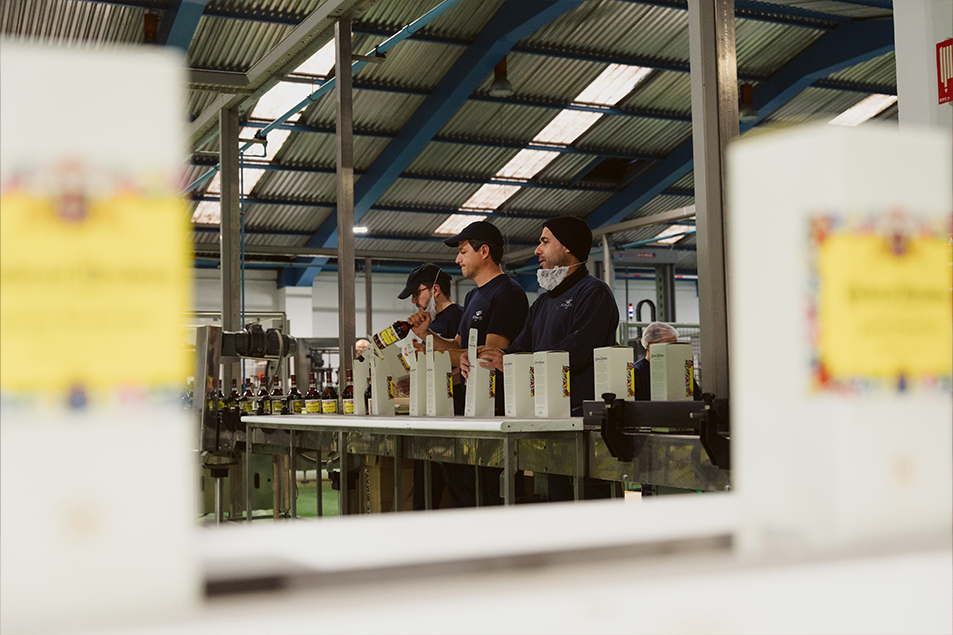
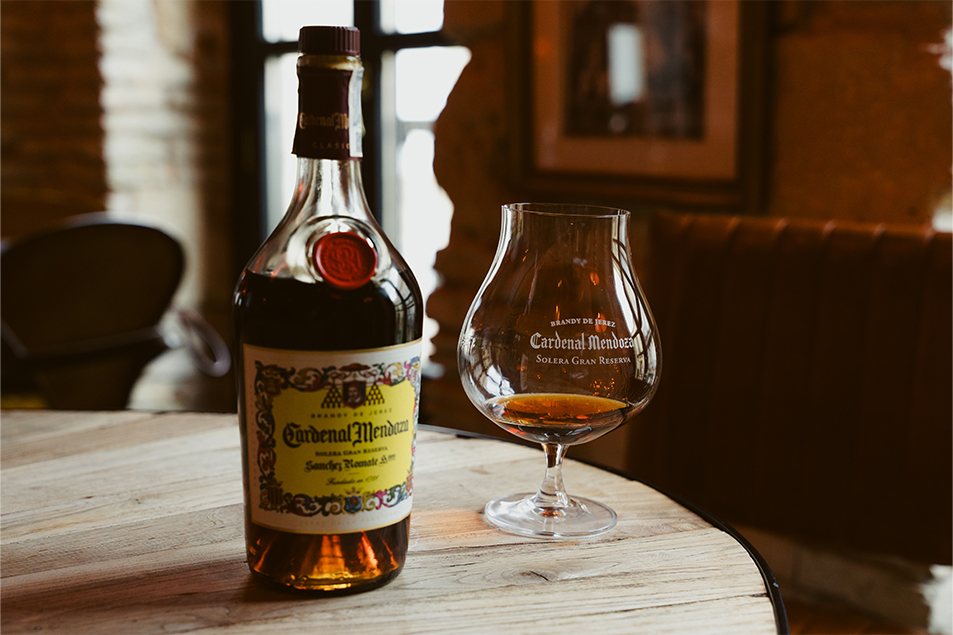
Sánchez Romate Brandy from Jerez is the result of a process in which tradition, precision, and patience work in perfect harmony.
Every stage is designed to preserve the essence of the product, from distillation to aging.
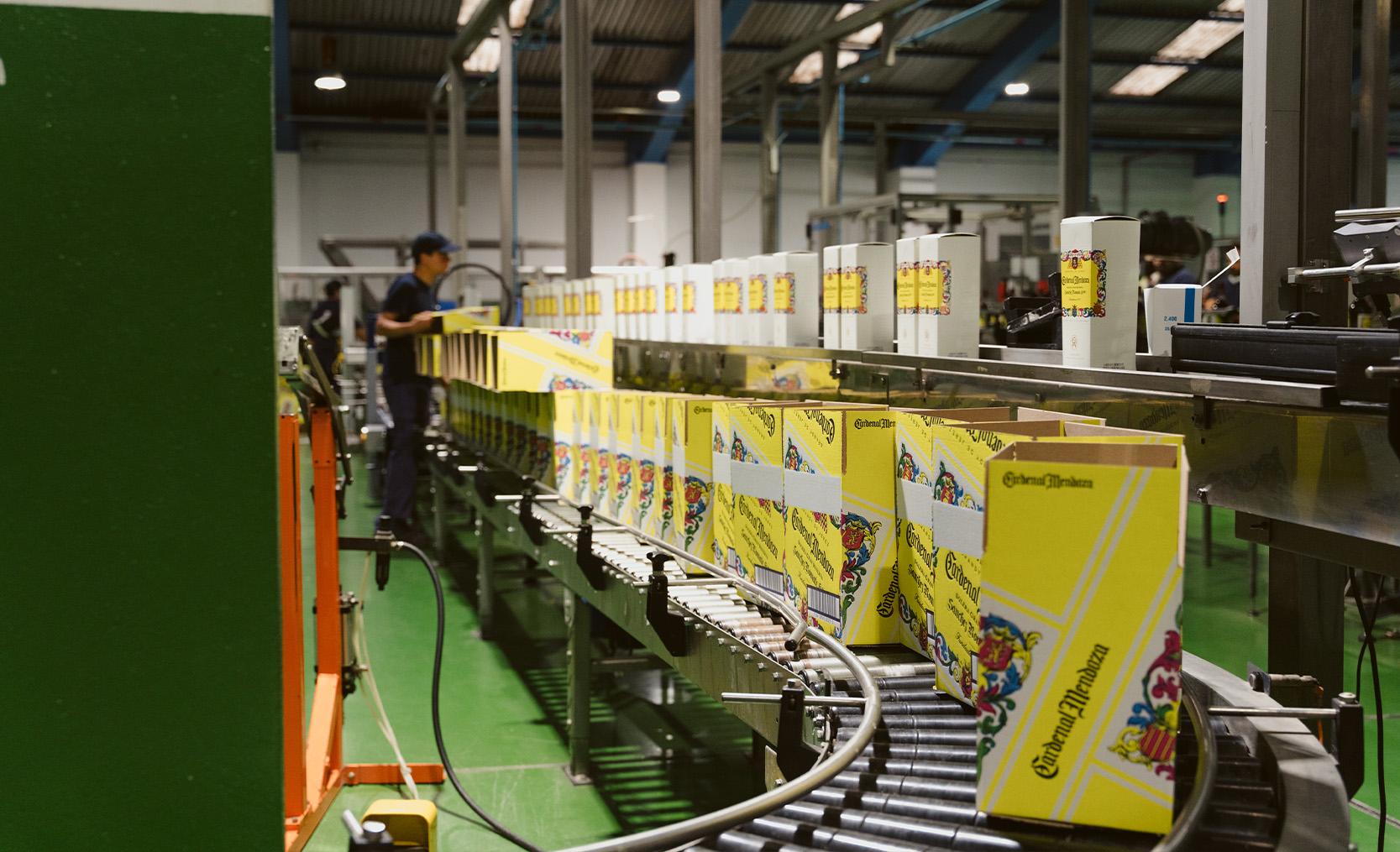
Each drop, a mixture of generations.
Every stage is designed to preserve the essence of the product, from distillation to aging.
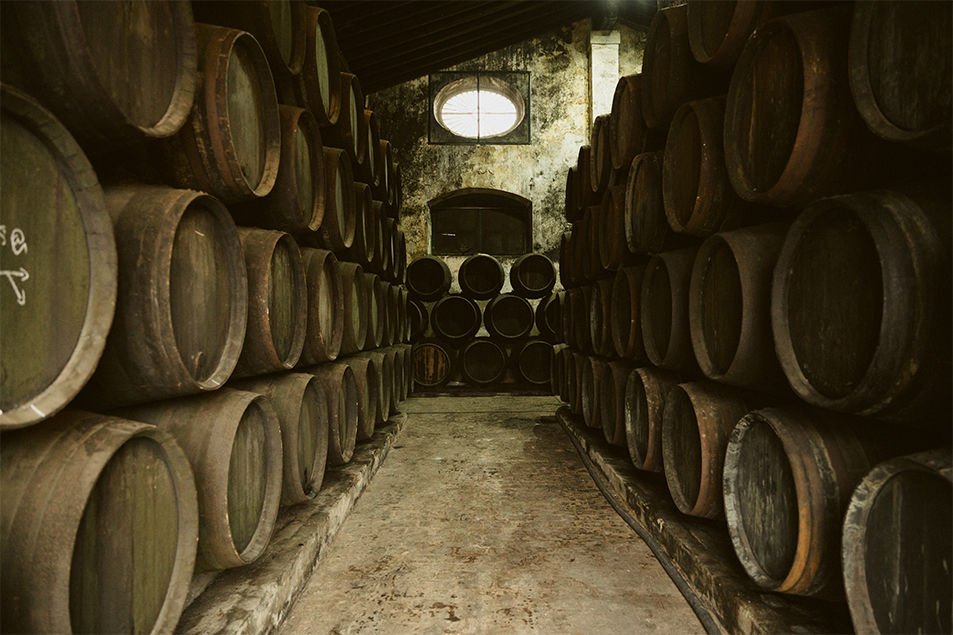
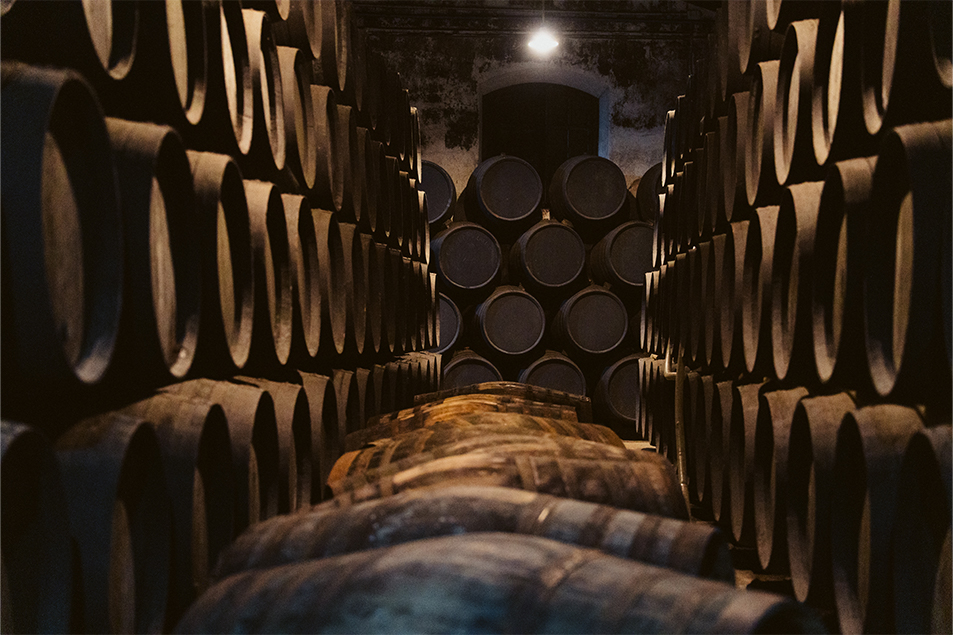
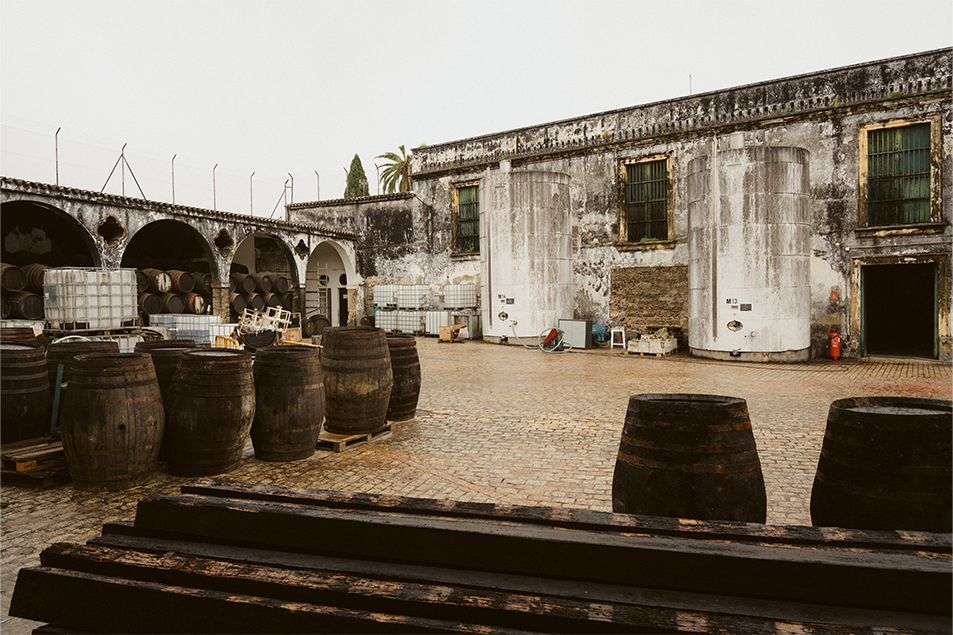
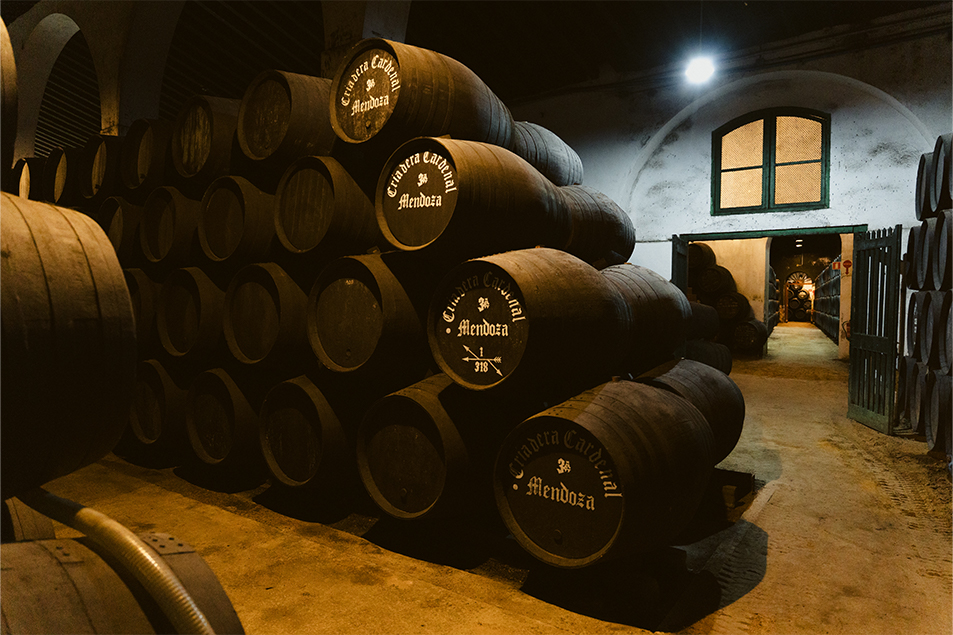
by distilling selected wines in pot stills to produce the so-called "holandas," the base of the brandy. These are then transferred to American oak barrels, previously seasoned with Oloroso and Pedro Ximénez wines, which impart depth and aromatic complexity.
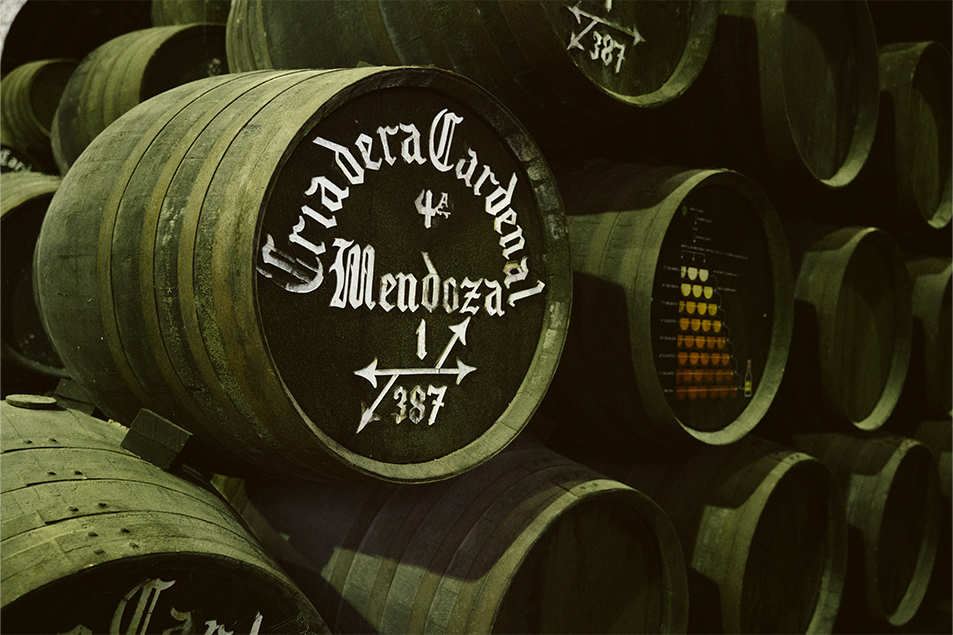
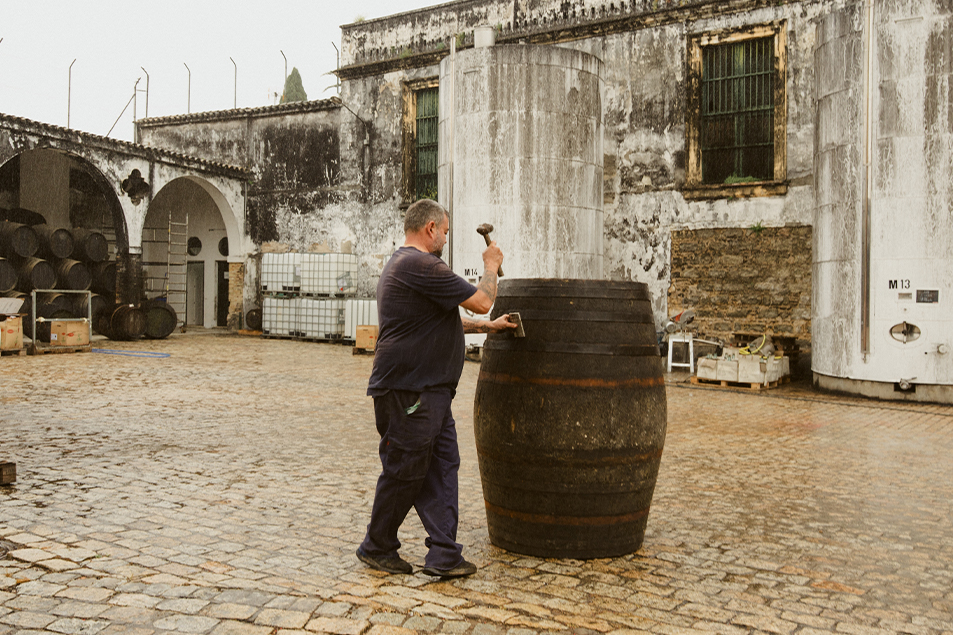
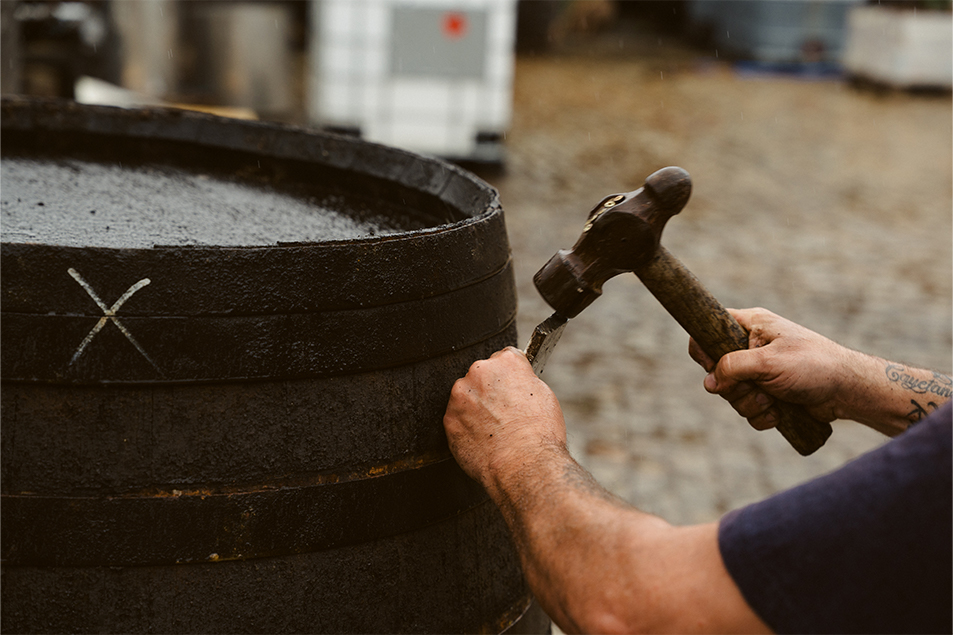
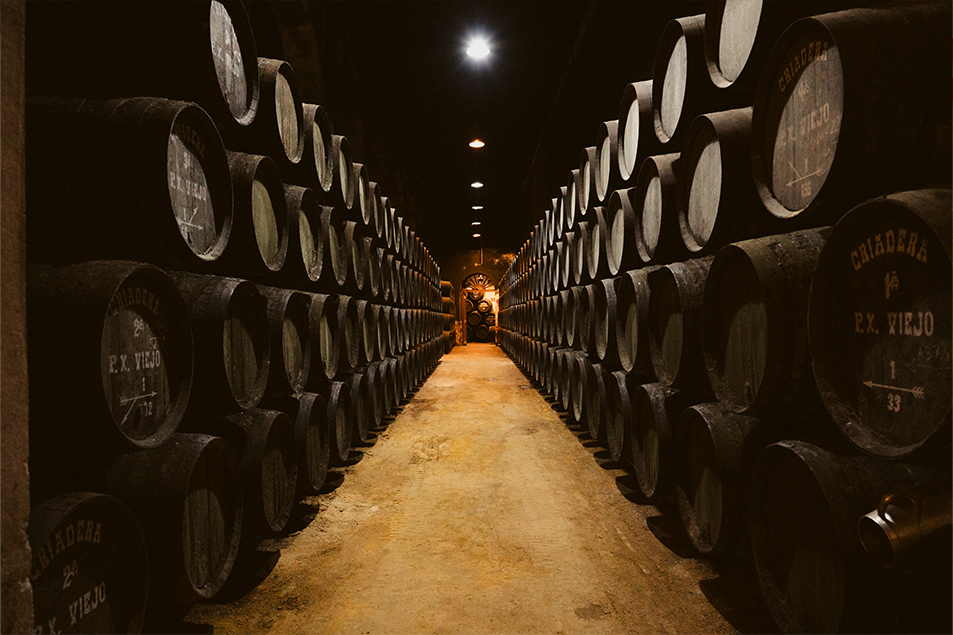
Aging is carried out using the traditional Solera and Criaderas system, a dynamic method that ensures the continuity of the style.
This system is structured into eight levels: seven criaderas and one solera.


The process is structured around two key steps:
This cycle repeats successively across different levels, allowing for the continuous blending of brandies of varying ages. The result is a constant balance, where youth and maturity coexist to define a unique and recognizable profile.
The superior criadera is blended with holandas aged for at least three years, made from wines produced from Airén grapes.
Because at Sánchez Romate, brandy isn’t made—it’s aged.
THE GOLDEN WEEK
THE EVENTS
COCKTAIL COMPETITION
MICRO-STORIES
AMBASSADORS
ILLUSTRATION CONTEST
© COPYRIGHT 2026
SANCHEZ WINERIES Romate HNOS. SA
ALL RIGHTS RESERVED